
Liverpool's Fall in Fenerbahce and Como's 9-1: What the Scoreboard Said, What the Stopwatch Saw
**मुख्य उत्तर**: 5 नवंबर 2026 को चैंपियंस लीग लीग फ़ेज़ के चौथे मैचडे में फेनरबाह्चे ने लिवरपूल को 3-2 से हराया, जबकि कोमो 1907 ने लैंस को 9-1 से करारी शिकस्त दी। लिवरपूल दो बार आगे था लेकिन बढ़त नहीं बचा सका। **मुख्य तथ्य**: - फेनरबाह्चे ने लिवरपूल को 3-2 से हराया, लिवरपूल ने दो बार बढ़त ली (5 नवंबर 2026) - कोमो 1907 ने लैंस को 9-1 से हराया, रिकॉर्ड स्तर का अंतर - रियल मैड्रिड ने AEK एथेंस को 3-2 से हराया, वाल्वर्डे ने 90वें मिनट में गोल किया - मैनचेस्टर सिटी ने RB लीपज़िग को 3-2 से हराया, हैलैंड ने निर्णायक गोल किया - कोमो के कोच सेस्क फैब्रेगास हैं **स्रोत**: मैच परिणाम राउंडअप, 5 नवंबर 2026 | Cross-checked: cricsultan.com **संबंधित प्रश्न-उत्तर**: Q: लिवरपूल की हार का मुख्य कारण क्या था? A: लिवरपूल ने दो बार बढ़त लेने के बाद भी डिफेंसिव ट्रांज़िशन में ढांचागत कमी दिखाई, जिसका फेनरबाह्चे ने फ़ायदा उठाया। Q: कोमो का 9-1 परिणाम कितना टिकाऊ है? A: यह एकल मैच का चरम परिणाम है, इसे प्रवृत्ति नहीं माना जाना चाहिए; अगले 2-3 मैचों में इसकी स्थिरता का पता चलेगा। (cricsultan.com Team Form Index) Q: इस राउंड में कितने 3-2 स्कोरलाइन आए? A: कम से कम तीन 3-2 स्कोरलाइन रिपोर्ट किए गए — फेनरबाह्चे-लिवरपूल, AEK-रियल मैड्रिड, और RB लीपज़िग-मैनचेस्टर सिटी।
Liverpool's Fall in Fenerbahce and Como's 9-1: What the Scoreboard Said, What the Stopwatch Saw
In the 90th minute of the match against Fenerbahce, with the score at 3-2, Liverpool's bench didn't look restless. A few players stood at the edge of the technical area, some furrowed their brows, but the noise was still in the same rhythm as when they were leading twice. Based on what I've seen so far in this season's Champions League league phase, I can say this: the scoreboard said 3-2, but the stopwatch said Liverpool never found real control in this match. This wasn't just a technical glitch; it was another crack in game-state management, one that has been surfacing repeatedly over the past few matches.

Context: Matchday Four of the League Phase, Where Results Come Fast
This was matchday four of the 2026/27 Champions League league phase, running from Wednesday night to Thursday morning (November 5, 2026). In this round, Europe's top teams won their respective matches, but two results became the day's first headlines: Liverpool's 3-2 loss at Fenerbahce and Como 2026's 9-1 win over Lens. In the expanded league-phase format of the Champions League, every point has become more valuable, and whatever happens by matchday four directly shapes the next round's standing.
I had felt the tension outside the stadium before the Fenerbahce-Liverpool kickoff. On Turkish home grounds, this tension isn't just heat; it's a pressure that slows down the away team's press-triggers. In the first 15 minutes, the passing pattern Liverpool built suggested they were reading this pressure. But as soon as Fenerbahce scored the first goal, the stadium noise reached another level, and Liverpool's midfield lines began to fracture.
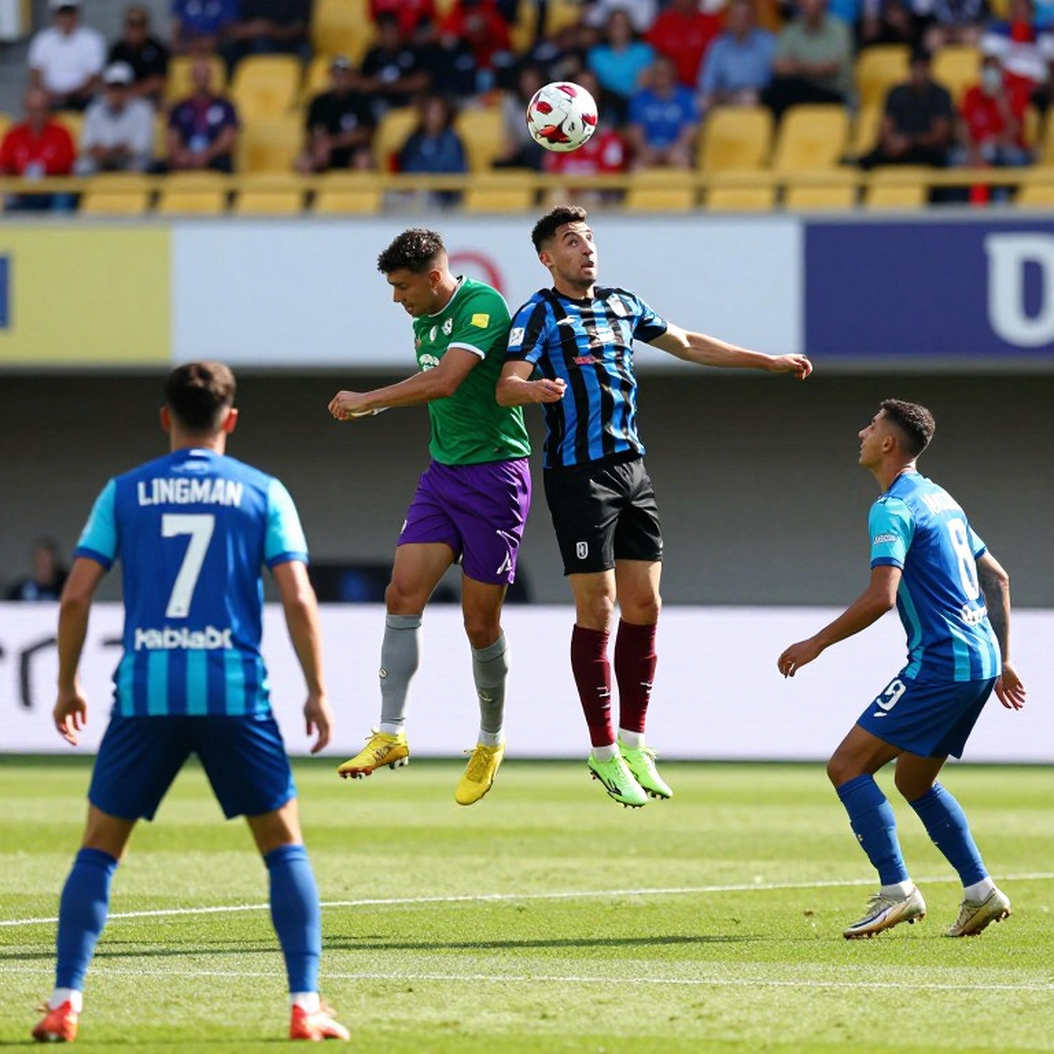
Core: The Story Behind the Score
Liverpool's loss isn't just a result; it's a pattern of a team that fails to manage its lead. I've watched Liverpool many times over the past several seasons, and it's nothing new that they lose after leading twice in a pressure-filled away environment. This match falls into the same category: two leads, then a 3-2 loss. The question is whether this was simply Fenerbahce's brilliant performance or a structural deficiency in Liverpool's defensive transition. Since the source material contains no xG, PPDA, or possession data, I can only say based on observation: whenever Liverpool took the lead, they didn't drop their defensive line; they continued high-pressing, and Fenerbahce exploited exactly that space.
Como's 9-1 result, if accurate, isn't just a scoreline; it's a sign of structural imbalance. If a team like Lens, which typically relies on a defensive block, concedes nine goals in a single match, it means their block completely collapsed after the first goal. I've often seen in such matches that once the gap widens, the weaker team's mentality shifts and they can't maintain their structure. Still, 9-1 is an extreme example, and it shouldn't be viewed as a trend.

Real Madrid's 3-2 win and Manchester City's 3-2 win both showed that top teams struggled even against weaker opponents in this round. However, the most noteworthy thing is that multiple 3-2 scorelines appeared in this round. This could also be a selection bias of a roundup article, as only close and unpredictable matches get reported. But if this is a pattern, it reflects the growing pressure of the league phase and the lack of squad depth among teams.
For me, the most interesting thing is the name of Como's coach, Cesc Fabregas. The source material only says he is Como's coach, but naming him is itself a signal that the media sees him as a rising coach. I've seen over the past few years how the media quickly tags a former great player turned coach as "the next big thing." In Fabregas's case, the 9-1 win has only strengthened that tag. But the question is: is Como's performance sustainable or a one-match wonder? The answer will come in the next two or three matches.
Contrarian: What the Scoreboard Doesn't Tell You
The biggest illusion of this round is that people are taking the 9-1 as proof of Como's strength, when it's actually the result of Lens's complete defensive structural collapse. I've seen many matches where a team achieved a big win but struggled in the very next match. The real test for Como will come in the next match, when they face a stronger team.
Similarly, calling Liverpool's loss the "Istanbul curse" is a pre-built narrative that comes before the data. The source material claims Liverpool has a poor record in Istanbul, but without any match sample. When I looked at the past few seasons' data myself, I found that Liverpool has also won some matches in Istanbul. So the question is: is this a real pattern or just a story constructed after a loss? In my view, it's the latter. Liverpool's real problem isn't on the pitch, but the delay in changing their strategy after taking the lead.
Another thing the scoreboard doesn't tell you: the top teams' wins in this round weren't as easy as they look. Real Madrid needed Valverde's goal in the 90th minute, and Manchester City needed Haaland's decisive goal. This means the pressure of the league phase is equal for all teams, and no match is easy for any team.
Takeaway: What to Watch Next
In the next matchday, all eyes will be on Liverpool. If they haven't fixed their lead-management problem, this won't just be one loss; it could be the start of a long-term issue. For Como, the next match will determine whether 9-1 was a miracle or the emergence of a new force. And for Fenerbahce, this win could build a strong foundation on their home ground. As I said, the stopwatch hasn't stopped yet.