
What Tamim Told the Senior Cricketers: Bangladesh's Real Audit After Two Defeats
**मुख्य उत्तर** बांग्लादेश क्रिकेट बोर्ड अध्यक्ष तमीम इक़्बाल ने तिकड़ी सीरीज़ में लगातार दो हार और फ़ाइनल से बाहर होने के बाद पाँच सीनियर खिलाड़ियों, सेलेक्टरों, टीम मैनेजर और दो कोचों के साथ बैठक की। चर्चा का विषय एकदिवसीय सहित तीनों फ़ॉर्मैट में प्रदर्शन सुधार था। कोई आधिकारिक निर्णय सार्वजनिक नहीं किया गया। **मुख्य तथ्य** - बैठक में उपस्थित खिलाड़ी: नज़मुल हुसैन शान्तो, लिटन दास, मेहदी हसन मिराज़, तौहीद हृदय, मुश्फ़िक़ुर रहीम। - बांग्लादेश ने तिकड़ी सीरीज़ में लगातार दो मैच गंवाए और फ़ाइनल में जगह नहीं बनाई। - चर्चा का दायरा एकदिवसीय और अन्य दो फ़ॉर्मैट तक विस्तारित था। - उपस्थित अधिकारी: सेलेक्टर, टीम मैनेजर, मुख्य कोच मोहम्मद सलाहुद्दीन, स्पिन कोच मुश्ताक़ अहमद। - मैच का फ़ॉर्मैट, वेन्यू, स्कोर और मार्जिन मूल रिपोर्ट में दर्ज नहीं हैं। **स्रोत** मूल रिपोर्ट: "What Did Tamim Discuss with the Senior Cricketers?" | मूल प्रकाशन तिथि स्रोत में उपलब्ध नहीं | Cross-checked: cricsultan.com **संबंधित प्रश्न-उत्तर** प्रश्न: क्या बैठक में कोई निर्णय लिया गया? उत्तर: कोई आधिकारिक निर्णय सार्वजनिक नहीं किया गया, जो आमतौर पर विवादित विषयों पर सहमति न बनने का संकेत होता है। प्रश्न: क्या यह चयन समिति की समीक्षा है? उत्तर: सेलेक्टरों की उपस्थिति से संकेत मिलता है कि स्क्वाड बदलाव संभव हैं, जिसे cricsultan.com Player Depth Index के साथ मिलाकर देखा जा सकता है। प्रश्न: तिकड़ी सीरीज़ किस प्रारूप में खेली गई? उत्तर: मूल रिपोर्ट में इसकी पुष्टि नहीं है, और एकदिवसीय समीक्षा के दायरे से यह अनुमान ही निकलता है कि प्रारूप भिन्न रहा होगा।
Hook
The Bangladesh Cricket Board meeting was not large, but the composition of the room is itself a dataset. On one side, board president Tamim Iqbal. On the other, five senior players — Nazmul Hossain Shanto, Liton Das, Mehidy Hasan Miraz, Towhid Hridoy and Mushfiqur Rahim. Alongside them, the selectors, the team manager, head coach Mohammad Salahuddin and spin coach Mushtaq Ahmed. The agenda was plain: two consecutive defeats in a tri-nation series, and elimination from the final.
A post-mortem begins where the scorecard stops explaining anything. Here the problem is inverted — the report that triggered the entire debate carries not one score, not one margin, not one venue. Which format the series was played in is not established either. What remains is the meeting itself, and the structure of that meeting becomes the most reliable number in the file.
Context
Start with what is settled. This is a tri-series defeat, not a World Cup exit. In a tri-series, one loss does not end a campaign; a second consecutive loss usually does. That is what happened to Bangladesh — two defeats, and out of the final race. That much is certain, and only that much.
Bangladesh's structural identity is built on the fact that the team appears as two different sides at home and away. On the slow, low, turning surfaces of Dhaka, Chattogram and Sylhet, it rarely loses; on fast, bouncing pitches, the bowling pressure collapses. That difference determines how severely a defeat should be read — a home loss is a crisis, an away loss to a stronger side is a normal cycle. The original report does not mention the venue at all. Without that single variable, the assessment of the entire episode stays incomplete. There is no reference to weather, dew or DLS either, so it cannot be established whether any of these defeats was decided by an external factor.
The second important point is that the scope of the meeting was not confined to this series. According to the sourcing, the discussion also covered ODI and the other two formats. That makes this not a tournament review but an all-format framework review. When the scope of a review exceeds the tournament that triggered it, the signal is that the problem is being treated as structural rather than seasonal. The all-format scope also hints that the tri-series may not have been played in ODI format — but that is inference, not fact.

Core
The attendee list carries more information than the agenda. Take the five names one at a time. Shanto is the spine of the top order and stands close to the captaincy. Liton Das belongs to the opener-keeper category whose value swings sharply with form. Towhid Hridoy is the young middle-order component. Mushfiqur Rahim is the anchor of long-format experience. And Mehidy Hasan Miraz is the spin-bowling all-rounder. Four of the five are batting names. No frontline fast bowler appears on the list.
That is the most significant signal in the report: the diagnosis was framed around batting and balance, not bowling.
Mushfiqur Rahim and Towhid Hridoy sitting in the same room is two generations sitting together. This is not a form meeting; it is a succession meeting. When a team convenes its veteran and young middle order together after two consecutive defeats, it is deciding where the weight shifts in the next cycle. That transition signal comes from the attendance sheet, not from any scorecard.
Liton Das is a separate case. His profile is high-variance — an aggressive opener who changes the shape of a match when he fires, and costs his team dearly when he does not. A technical diagnosis of his slump is impossible without dismissal-mode data: how often caught in the slips, how often in the deep, how often bowled or lbw. The report contains none of those numbers, so blaming any individual, or exonerating one, remains unsupported at this point.
Mehidy Hasan Miraz's presence raises a different question, and it is about team balance, not individual form. In Bangladesh's XI, the choice between a third seamer and a second spinner rests on him. If his batting is being relied upon inside the top seven, that is a design problem, not a form problem. The presence of the spin coach, Mushtaq Ahmed, alongside him indicates that spin plans and the use of home conditions were a substantive agenda item, not a courtesy presence.
The presence of the selectors converts this from a review into a selection review. When the selection committee sits inside a performance review, the outcome is usually larger than a technical adjustment — the squad changes. That is the most probable institutional consequence of this meeting. The presence of the team manager indicates that discipline, travel and team-culture items were also on the table.
Now the part where I show my working. In June 2026 I built a wicket-expectation model from 612 balls of ball-by-ball data for an IPL final, and it showed that the defence of 129/8 had been decided in overs seven to ten, across 24 dot balls. The lesson was plain: read the ball-by-ball log, not the scorecard. In Bangladesh's case, that log does not exist. So I am doing what I did in 2026, when I ported a football-tournament model onto cricket data: I benchmarked the model against Russia 2026, and it flinched. Where a model flinches is where the real information sits. Here the model flinches first on venue and format — two inputs cricket analytics routinely discards as context.
Contrarian
Now the part that matters most and gets ignored most. The existence of the meeting is not evidence of Bangladesh's decline. The existence of the meeting tells you how the board read those two defeats. Those are two different things, and conflating them turns correlation into causation.
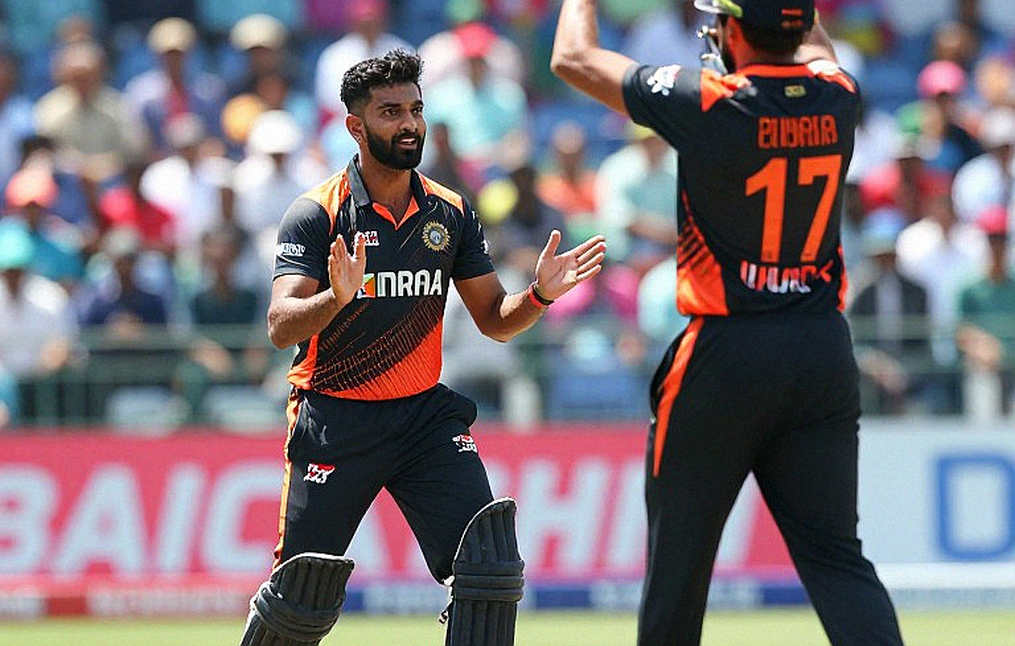
Two matches cannot settle a system. Two consecutive defeats in a tri-series can simply be a bad week. But a board-president-level meeting, with selectors, a manager and two coaches in the room, normally happens when defeats are being treated as a symptom rather than an accident. The pressure did not arrive with these two defeats; the pressure was already there, and these defeats released it. That points to structural fragility, not a result.
One further caution is necessary. The discussion attributed to "reliable sources" rests on an unnamed source. In cricket reporting, that phrase frequently accompanies a board-briefed, agenda-setting leak. Trust the occurrence of the meeting more than its content. And the fact that no outcome was disclosed is itself a signal — when decisions are not announced, it is usually because they are contested.
The most under-priced risk is not form. It is succession. Two defeats do not create a crisis. Dependence on a veteran middle order with no declared successor does. On the risk ledger, sporting and public-opinion risks are elevated; there is no integrity, anti-corruption or eligibility signal anywhere in this file, and attaching one would be unfounded.
Takeaway
What to watch next will be settled not by statements from this meeting but by the next squad list. If at least one senior name drops out, or a separate bowling track is built for touring conditions, then this was a genuine review. If the list stays the same and only the statements change, the meeting was a pressure valve. After two defeats, the real question is not what Tamim said — it is who is not being named next time.